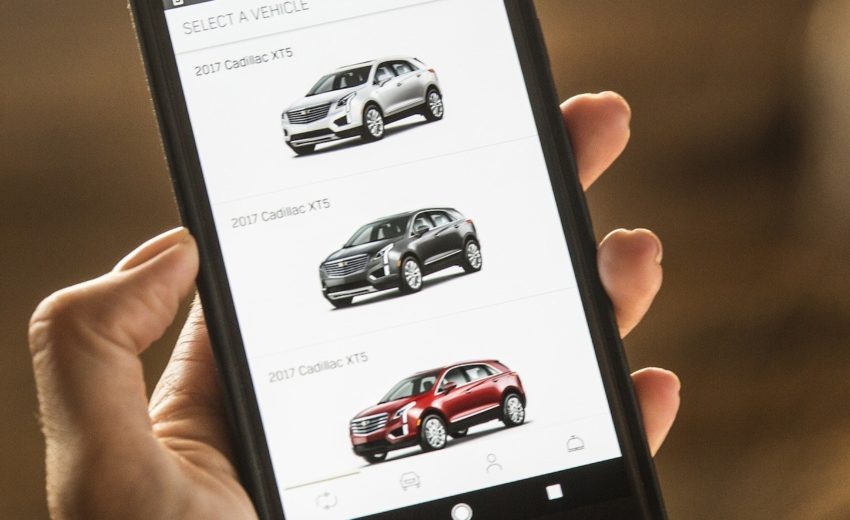
The changes we have seen over the past 10 years in urban consumer transportation preferences with the ascend of on-demand mobility services should have convinced OEM executive teams that significant transformations of their business are necessary.
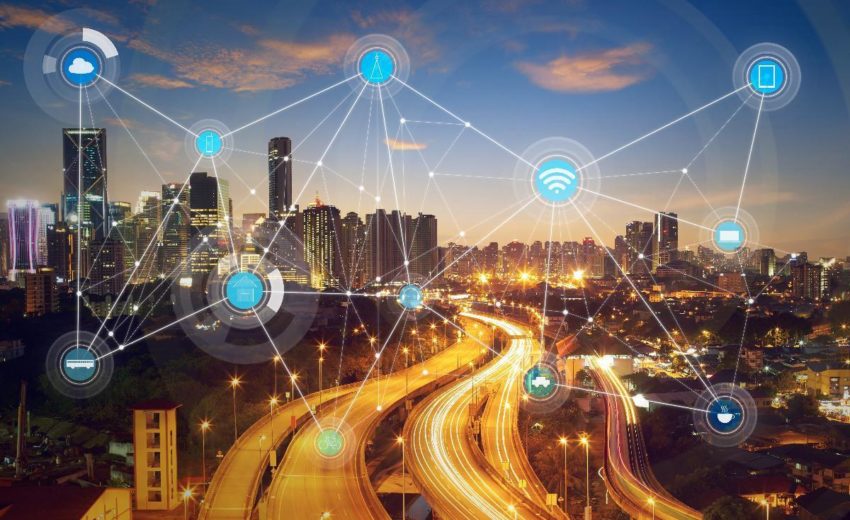
In my forthcoming book Transportation Transformation I define next-generation mobility as the intelligent movement of people and goods using automated (or autonomous), connected and electrified vehicles. Next-generation mobility is still in its infancy, but I predict it will unfold in three phases.
As a result of the movement restrictions imposed because of the pandemic, my 30-mile average daily travel around the Bay Area and the monthly airline trips have all become a 30-step walk to my home-office for video calls. While we’re all eagerly anticipating the lifesaving health outcomes from the measures taken towards the pandemic, the retail, travel, and hospitality industries are reeling.