
Part 1 argued that enterprise AI projects share the characteristics of venture investments but are funded like plant expansions. This mismatch creates the Pilot Purgatory condition and frequently leads to the elimination or underfunding of the wrong projects, while others continue indefinitely. In this article, we describe the Enterprise Capital

In this two-part series, I introduce the Enterprise Capital Gate, the companion instrument to the AI GPS. The AI GPS provides the executive team with a dashboard that uses project telemetry to track the progress of the enterprise’s AI strategy. The Enterprise Capital Gate converts what the dashboard reports into

Many corporations are starting their AI journey in the wrong way. The result is what I previously called The AI Pilot Purgatory. In the process, they make two mistakes. First, they lack an AI strategy. Second, they don’t engage the right members of their senior management teams in their AI-related
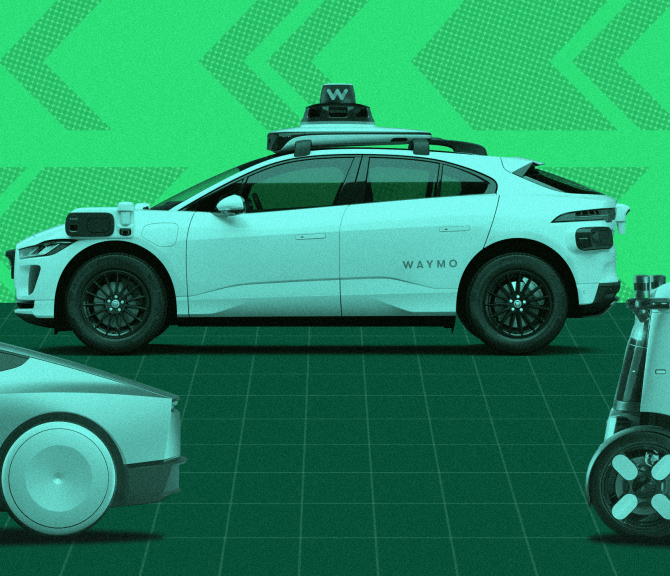
Autonomy is table stakes, and supply-side orchestration, which Uber is already winning, is becoming table stakes too. The next differentiator in robotaxi customer experience is demand-side. Namely, a system that anticipates each traveler’s intent (route risk, speed-versus-safety trade-offs, the right mode for the moment) and orchestrates the trip to satisfy
The Productivity J-Curve best explains AI’s productivity paradox. The investments across different categories beyond technology initially depress measurable output. Rather than making the necessary investments across these categories, CEOs of legacy corporations often fall into the Delegation Trap, treating AI as a tactical IT upgrade. This misallocation triggers the AI

The automotive industry is undergoing a major transformation. This transformation aims to change not only how we move and transport goods, but also how we interact with the vehicles that move us. The Software-Defined Vehicle’s customer experience must cover both the pre- and after-sales portions of the customer journey.
The Flagship Experience discusses how the Software-Defined Vehicle, data, and AI can be used seamlessly to create a new end-to-end customer experience that encompasses all mobility-related activities inside and outside the vehicle, delights the traveler, and enables the OEM to monetize the relationship at the appropriate times.
Software-Defined Vehicles will center the customer experience around the customer, not the vehicle. Combining AI with these vehicles’ big data generation, configurability, and updatability provides automakers with recurring customer-monetization opportunities. It impacts how automakers design, make, sell, and service vehicles; how transportation and logistics providers maximize their vehicles’ utilization and improve the return on their investment; and how customers (both consumers and businesses) interact with the vehicle, the automaker, and numerous service providers.
To succeed in making this shift, organizations will need to undertake important transformations. The Flagship Experience analyzes the approaches already taken and outlines additional ones that will be necessary.